Business
Marijuana Sales Are Rising And Alcohol Is On The Decline As Consumer Preferences Evolve, Government Data In Canada Shows

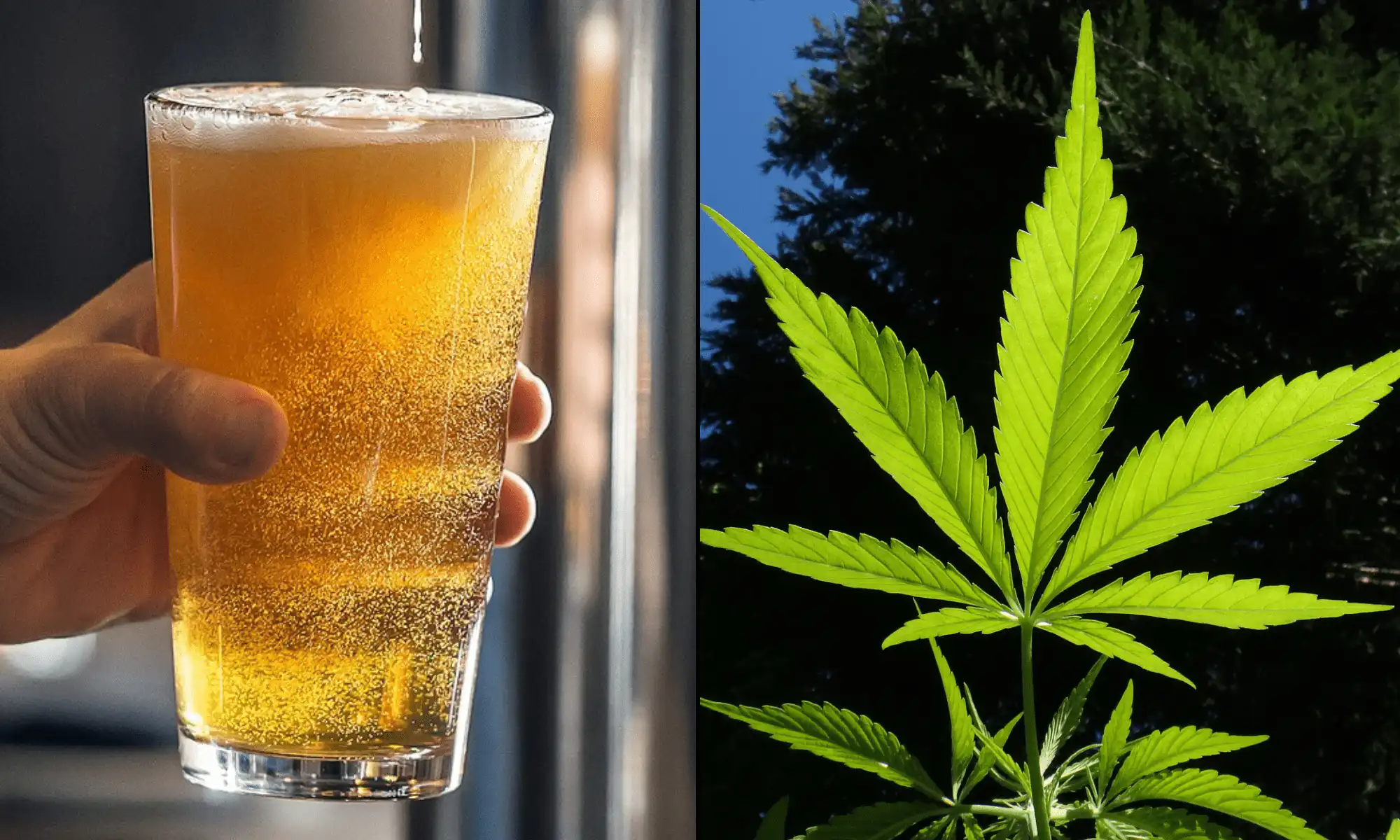
Marijuana sales are increasing as purchases of alcohol are declining, according to a new federal report from the Canadian government.
Retailers in the country sold C$5.5 billion worth of legal recreational cannabis products in the fiscal year ending March 31, 2025, Statistics Canada reported, representing a 6.1 percent increase from the previous annual period.
Meanwhile, alcohol purchases were down 1.6 percent year over year, a dip that occurred despite a 1.6 increase in retail alcohol prices. The resulting decline in government revenue “was the largest annual decrease since Statistics Canada began tracking this series in 2004/2005,” the federal agency said.
While the C$25.8 billion worth of alcoholic beverages sold in the fiscal year still outpaces marijuana’s total, the two data points represent a trend where consumers are switching away from beer, wine and liquor toward cannabis, which is increasingly viewed as a safer alternative.
Even as marijuana sales in Canada increased in the last fiscal year, growth slowed, however, from the 11.6 percent increase in 2023-2024 and the 15.8 percent bump from 2022-2023. Still, the overall rise in cannabis purchase totals came even as prices dropped 1.1 percent over the last year.
Within the cannabis sector, inhaled extracts were the fastest growing product category in the most recent year, the government report, which was noted earlier by ICBC, said.
“The market share of inhaled extracts continued to increase in 2024/2025, up to almost one-third of total sales (31.1%),” it said. “Solid cannabis edibles (-2.2%) was the lone cannabis category with a sales decline in 2024/2025.”
Overall, cannabis sales during the fiscal year were equivalent to C$167 per person of legal age to consume marijuana.
A separate recent study funded by the Canadian government found that alcohol and tobacco cause far more harms to people who consume them, and to society overall, than marijuana does.
The findings about relative harms of different substances may help explain why alcohol consumption has been gradually declining over recent years, and why multiple surveys and studies have indicated that more adults are opting for marijuana.
For example, recent polling shows that younger Americans are increasingly using cannabis-infused beverages as a substitute for alcohol—with one in three millennials and Gen Z workers choosing THC drinks over booze for after-work activities like happy hours.
Another survey released last October found that a majority of Americans believe marijuana represents a “healthier option” than alcohol. And most also expect cannabis to be legal in all 50 states within the next five years.
Smoking marijuana is also associated with “significantly” reduced rates of alcohol consumption, according to a recent federally funded study that involved adults smoking joints in a makeshift bar.
A study published in 2024 that looked at adults who drink cannabis-infused beverages found more evidence of a “substitution effect,” with a significant majority of participants reporting reduced alcohol use after incorporating cannabinoid drinks into their routines.
Meanwhile, as the Trump administration considers moving marijuana out of Schedule I, the most restrictive category under U.S. federal law, another recent study concluded that cannabis isn’t as dangerous as its current classification would suggest.