Science & Health
Marijuana Regulations Protect Public Health Better Than Alcohol Rules Do, New Government-Funded Study Finds

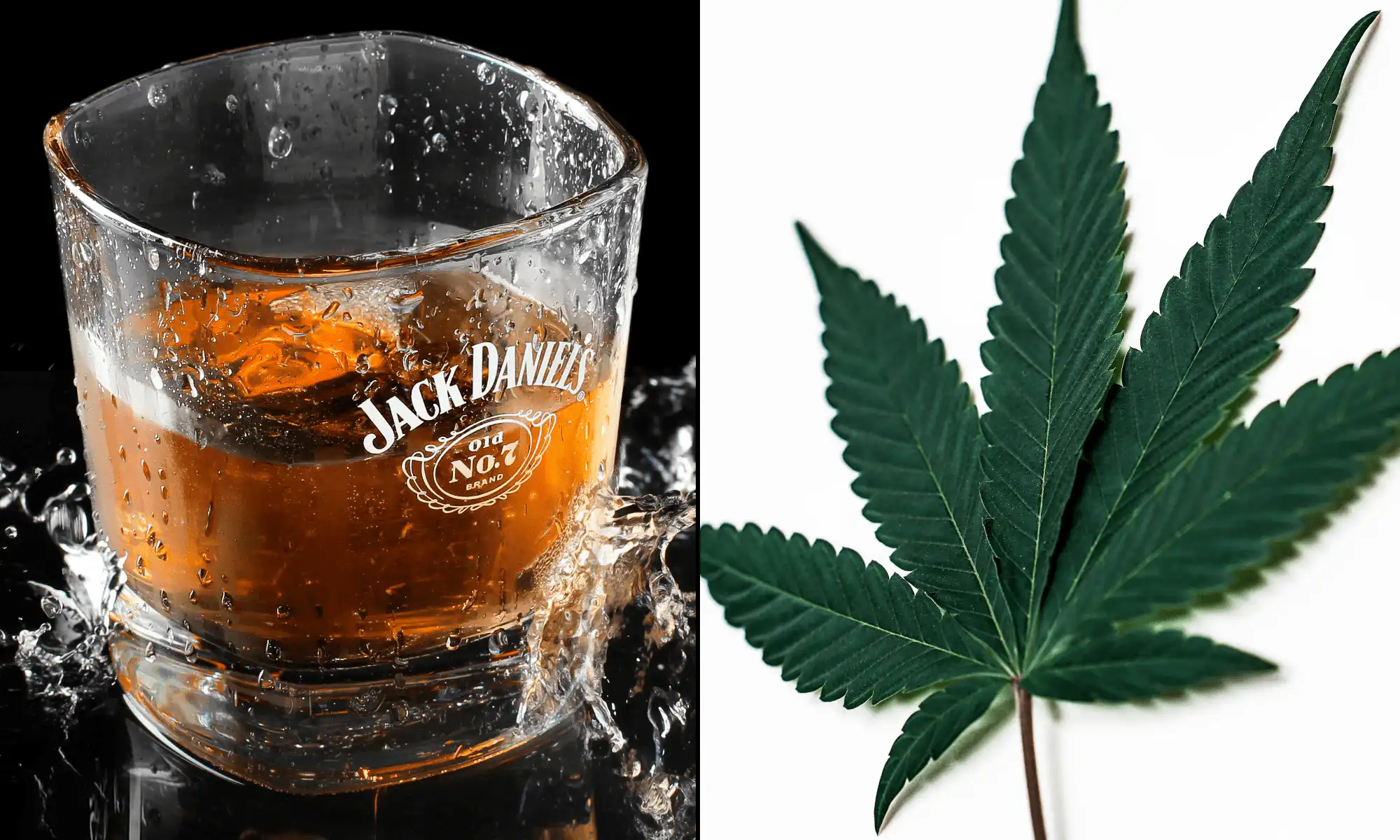
State agencies that regulate marijuana are far more attentive to public health concerns than the those charged with overseeing alcohol, a new government-funded study has concluded.
“Cannabis regulatory agencies largely outperform alcohol regulatory agencies in terms of their articulated public health goals, activities, and policies,” the authors, all affiliated with the University of Maryland, wrote.
For the study, researchers analyzed recent annual reports from state regulatory agencies in all 24 U.S. states where adult use cannabis is legal as of mid-2025. They compared how cannabis and alcohol regulatory agencies outlined their goals, reported collaboration with health agencies and described activities aimed at improving public health and safety.
According to the analysis, 68 percent of cannabis regulatory agencies referenced public health goals in their mission statements, compared with just 35 percent of those that oversee alcohol.
As some campaigns to legalize recreational cannabis swept through state ballots over the last decade, “regulate marijuana like alcohol” was a common refrain—but the new study suggests that in practice, marijuana is now being regulated more robustly than alcohol when it comes to key public health measures.
The authors also observed differences in outcomes among states, depending on the manner in which marijuana legalization was achieved.
“Compared to states that legalized adult-use cannabis through ballot initiatives, states that legalized through their legislatures reported more public health indicators for both cannabis and alcohol regulators,” they wrote.
The paper also notes that while the initial wave of laws ending marijuana prohibition were passed via voter initiatives, “states adopting adult-use cannabis legalization more recently have predominantly legalized through their state legislatures and have cannabis regulators that report on a greater number of cannabis-related public health issues.”
Regardless of the method of legalization, the researchers, who are affiliated with the Department of Criminology and Criminal Justice at the University of Maryland, concluded that “adult-use cannabis regulatory agencies reported all public health indicators more often, while alcohol regulatory agencies reported engaging in law enforcement efforts more often than cannabis regulators.”
The study was funded by a grant from the California Department of Cannabis Control and published in the December 2025 edition of the scientific journal International Journal of Drug Policy.
The authors caution that further investigation would be beneficial in understanding the differences among state regulations. “More research is needed to assess whether public health-related actions reported by cannabis agencies translate into tangible public health benefits among cannabis using and affected populations,” they wrote.
The new study comes as members of Congress have teamed up across the aisle to prepare the federal government to regulate marijuana like alcohol. One bill that has been introduced in the House would direct the attorney general to create a commission charged with making recommendations on a regulatory system for cannabis that models what is currently in place for alcohol.
It also comes at a time when a coalition of leading alcohol industry groups successfully urged Congress to impose a ban on intoxicating hemp products—though they said they would ultimately like federal officials develop a comprehensive regulatory framework for the products.
Additionally, the study comes on the heels of a GOP senator saying in June that opponents of marijuana legalization “have lost” the fight to maintain prohibition and that it’s time for lawmakers to address that reality by creating a regulatory framework treating cannabis “in the same way that we do with alcohol and tobacco,” so that states can set their own policies without federal interference.