Politics
Marijuana Legalization Is On The Ballot In Texas During The Primary Election That’s Happening Now

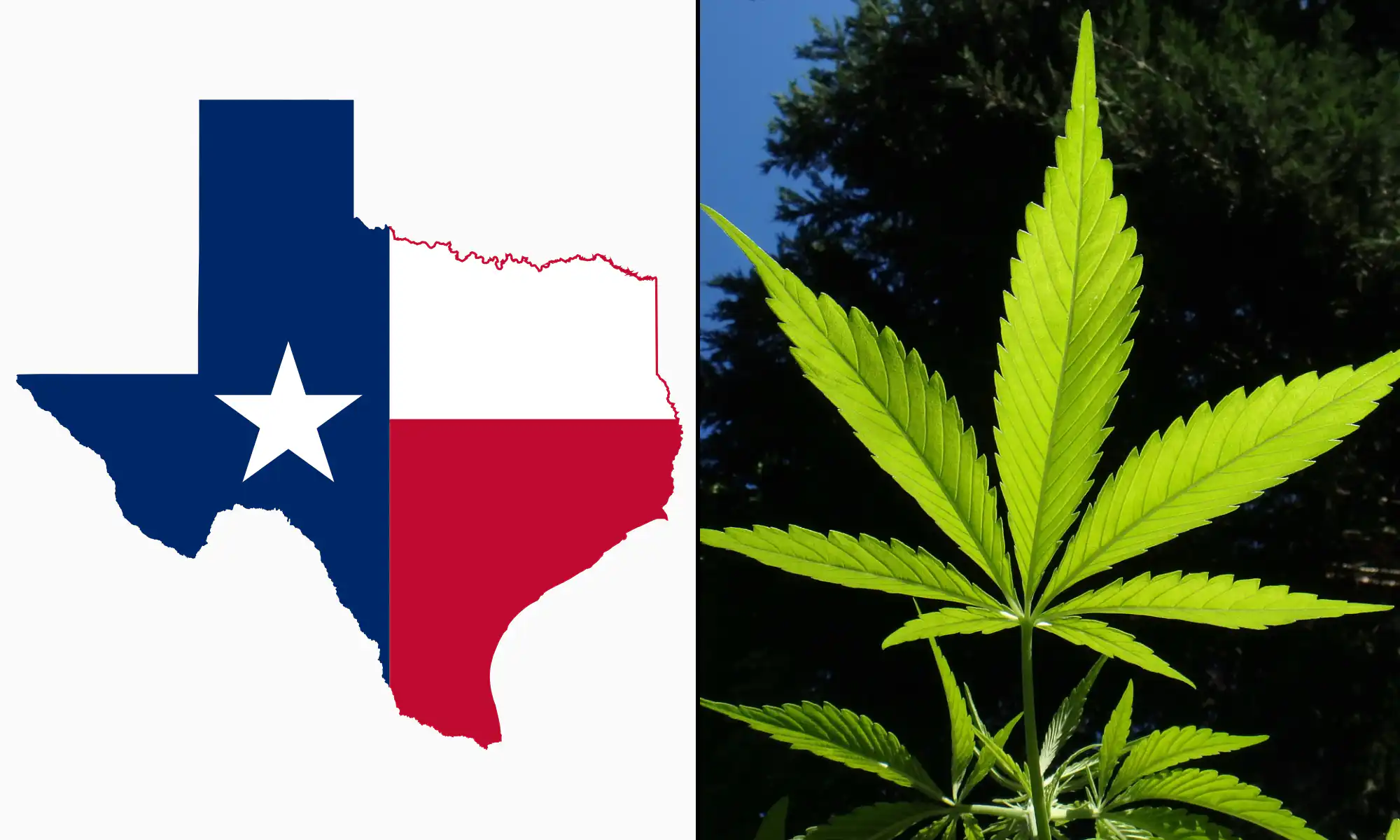
Texas voters who go to the polls for the primary election that’s currently underway have the opportunity to weigh in on whether marijuana should be legalized in the state—at least if they select a Democratic ballot.
As part of the March 3 election for which early voting has already started, each major party was able to place several non-binding propositions on the ballot that allow voters show how they feel on key issues.
The Texas Democratic Party is using one of its propositions to find out where the electorate stands on legalizing cannabis and whether past convictions should be expunged.
The yes or no question on Democratic primary ballots reads:
“Texas should legalize cannabis for adults and automatically expunge criminal records for past low-level cannabis offenses.”
There is no cannabis question on the Republican ballot, but Texas has an open primary system in which voters can opt to participate in either party’s primary regardless of how they are registered.
The result of the voting on Democrats’ marijuana question will not on its own change any cannabis laws, but it could send a signal to lawmakers about popular support for reform.
For what it’s worth, a poll released last year found that a plurality of Texas voters want the state’s marijuana laws to be made “less strict.” And among the legislative items lawmakers considered during recent special sessions, voters say a proposal to address hemp regulations was among the least important.
In the background, officials with the Department of Public Safety (DPS) in December conditionally approved nine new medical marijuana business licenses in December as part of a law that’s being implemented to significantly expand the state’s cannabis program.
The department will issue conditional licenses to three additional dispensaries by April 2026.
This represents a major change to the program, as there are currently only three dispensaries licensed to operate in Texas.
DPS in October adopted additional rules to increase the number of licensed dispensaries, establishing security requirements for “satellite” locations and authorizing the revocation of licenses for certain violations.
The Department of State Health Services (DSHS) also recently finalized rules allowing doctors to recommend new qualifying conditions for cannabis patients and creating standards for allowable low-THC inhalation devices.
Meanwhile, bipartisan Texas lawmakers say the stage is set to advance legislation next session establishing regulations for hemp THC products, with growing understanding among their colleagues that prohibition fails to effectively address concerns about the cannabis market.
In the interim, Texas regulators have taken a series of steps to enact rules around consumable hemp products over recent month, which began after Gov. Greg Abbott (R) vetoed a bill last year that would’ve effectively eradicated the state’s hemp market.
In late December, meanwhile, the Department of State Health Services (DSHS) released a set of proposed rules to regulate the state’s hemp market—including provisions related to age-gating, licensing fees, testing requirements, packaging restrictions and more in response to an executive order the governor signed in September.
Image element courtesy of AnonMoos.