Politics
Idaho Medical Marijuana Campaign Steps Up Push For 2026 Ballot Initiative By Hiring Paid Petitioners

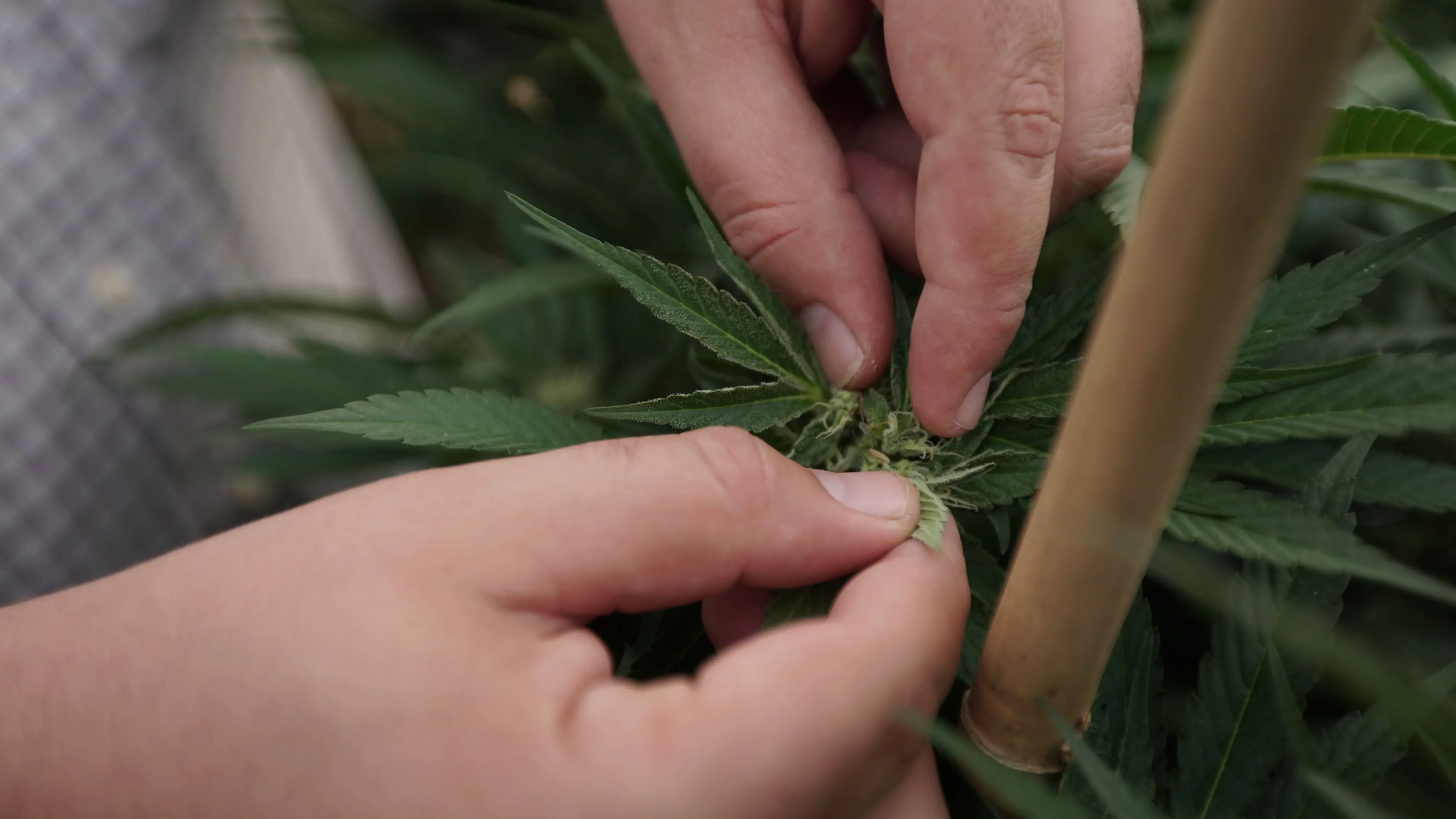
An Idaho campaign seeking to put medical marijuana legalization on the state’s 2026 ballot is stepping up its efforts by recruiting paid petitioners to gather voter signatures to qualify the measure.
The Natural Medicine Alliance of Idaho (NMAI) says it is hiring for a “1099 independent contractor opportunity, ideal for motivated, people-oriented individuals who value flexible schedules and meaningful work.”
“Your pay is directly tied to your accuracy and effort, rewarding those who uphold the highest standards of integrity,” it said, adding that the opportunity will involve “meeting voters, attending community events, and visiting neighborhoods to collect valid signatures from registered Idaho voters.”
The campaign has also been hosting signature gathering petition drives at events such as sports games and an upcoming performance by the comedian Shane Gillis on Friday.
Idaho is currently among the minority of states without any form of marijuana legalization.
NMAI unveiled its recently certified initiative to put medical marijuana legalization on the ballot in October. The measure would provide patients with qualifying conditions access to marijuana from a limited number of dispensaries and provide a regulatory framework for the market.
Here are the main provisions of the Idaho Medical Cannabis Act:
- Health practitioners would be able to recommend medical cannabis to patients with conditions that include, but are not limited to, cancer, anxiety and acute pain.
- Medical marijuana patients or their designated caregiver could purchase up to 113 grams of smokeable cannabis, or 20 grams of THC extract for vaping, per month.
- The state would be start by issuing three vertically integrated cannabis business licenses, after which point it could license up to six total.
- Marijuana would be reclassified under state law as a Schedule II, rather than Schedule I, controlled substance.
- State and local law enforcement would be barred from assisting in federal drug enforcement activities related to the state-legal cannabis program.
- There would be anti-discrimination protections for those who use or sell marijuana in compliance from state law, preventing adverse actions by employers, landlords and educational institutions.
- It does not appear that there would be any equity-centered reforms, nor would the initiative provide for a home grow option.
In order to make the ballot, the campaign will need to collect 70,725 valid signatures, including from at least 6 percent of registered voters in 18 of Idaho’s 35 legislative districts.
In light of the new medical cannabis initiative, a separate campaign that launched late last year, Kind Idaho, told supporters recently that it would be suspending its own signature gathering for a ballot initiative to legalize the personal possession and cultivation of marijuana by adults.
“I know the community has been plagued in the past by promises that petitioners and volunteers would be paid,” Kind Idaho said in a an email alert. “The Idaho businessmen associated with Natural Medicine Alliance of Idaho PAC that are making this happen for Idaho patients have gone through extraordinary steps to ensure their money goes where it is promised and in a timely manner.”
“The IDAHO MEDICAL CANNABIS ACT Petition Circulators are getting paid. The IDAHO MEDICAL CANNABIS ACT initiative will go on the ballot. The IDAHO MEDICAL CANNABIS ACT initiative will win,” it said. “And they want your help.”
Activists said they’d providing training and educational materials for petitioners, who don’t need experience collecting signatures but should have “integrity and enthusiasm.”
“Work flexible hours in your own community, meet new people, and stand up for compassion and common sense,” the alert said.
Kind Idaho previously introduced medical marijuana ballot measures intended to go before voters in both the 2022 and 2024 elections, but the efforts proved unsuccessful.
Meanwhile, voters next year will see a different kind of proposal on the ballot: A constitutional amendment that the legislature approved to make it so only lawmakers could legalize marijuana or other controlled substances.
—
Marijuana Moment is tracking hundreds of cannabis, psychedelics and drug policy bills in state legislatures and Congress this year. Patreon supporters pledging at least $25/month get access to our interactive maps, charts and hearing calendar so they don’t miss any developments.
Learn more about our marijuana bill tracker and become a supporter on Patreon to get access.
—
Legislators separately held a hearing in March to discuss a bill to enact medical cannabis legalization legislatively, but there hasn’t been meaningful action on the issue in the months since.
Separately, a bill from Rep. Bruce Skaug (R) earlier this year would have set a $420 mandatory minimum fine for cannabis possession, removing judges’ discretion to apply lower penalties. Skaug said the bill, which ultimately stalled in committee, would send the message that Idaho is tough on marijuana.
House lawmakers also passed a bill to ban marijuana advertisements, though the Senate later defeated the measure.
Photo courtesy of Chris Wallis // Side Pocket Images.