Politics
GOP Senator Says Marijuana Banking Bill Remains Stalled—But Trump’s Rescheduling Order Could Spur Congress To Act

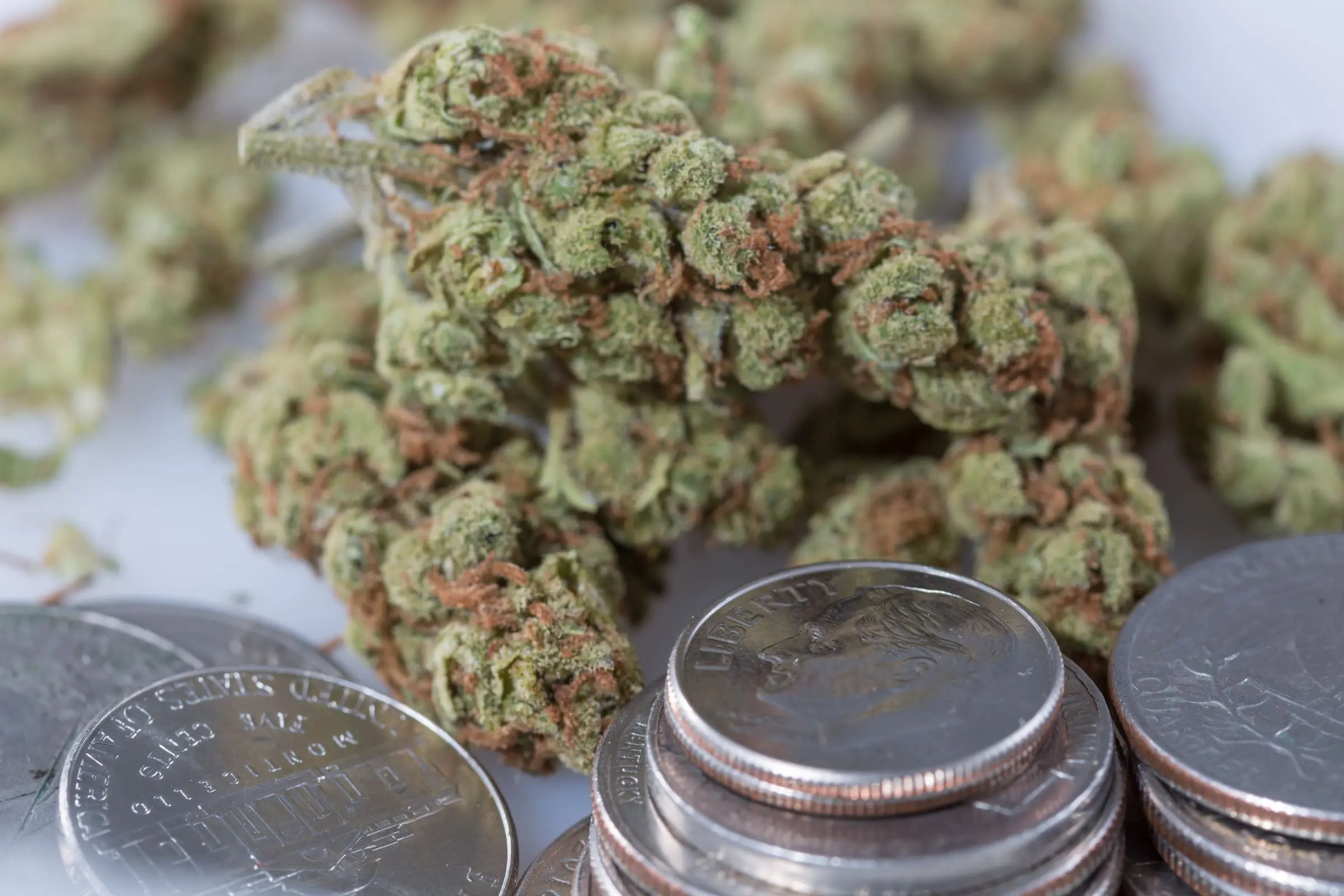
A GOP senator says the while a bipartisan marijuana banking bill remains stalled, with no recent discussions about advancing it as lawmakers focus on other legislative priorities, President Donald Trump’s move to reschedule cannabis could clear the path for further reform.
Sen. Bernie Moreno (R-OH), who is expected to sponsor the Secure and Fair Enforcement Regulation (SAFER) Banking Act in his chamber, told Marijuana Moment this week that there have still been “no” conversations about moving the legislation, despite previously predicting it would be taken up in the fall.
As the season comes to a close, however, Congress remains preoccupied with competing priorities such as extending health care subsidies and passing spending bills to keep the government funded.
“The line is deep in terms of getting stuff done, so that’s something we’ll think about once we get through all these things,” the senator said. But the cannabis banking bill could gain momentum under Trump’s plan to facilitate rescheduling, he added in a second interview.
The order issued on Thursday directs federal agencies to complete the process of moving marijuana from Schedule I to Schedule III of the Controlled Substances Act (CSA) and clears the way for a pilot program to provide Medicare coverage for CBD.
The president’s move “changes it big time,” Moreno said of the banking bill’s prospects of passage. Before the administrative action was confirmed, he told Marijuana Moment that reclassifying cannabis would represent an “important domino” in the push for SAFER Banking.
Placing cannabis in Schedule III won’t legalize the plant, of course, but it will be a symbolic recognition that cannabis holds medical value, while allowing marijuana businesses to take federal tax deductions and loosening certain research barriers associated with Schedule I drugs.
To that end, the executive order from Trump could spur on-the-fence GOP lawmakers to advance the banking bill, or at least possibly dissuade skeptics from aggressively opposing it.
Notably, days before the White House confirmed the president would address rescheduling, a Senate Banking subcommittee convened and took testimony about banking policy issue, including the unique challenges marijuana businesses face under federal prohibition.
Chairman Thom Tillis (R-NC)—who has stood out among his Republican colleagues as someone who’s backed regulating cannabis to some extent at the federal level—said he “absolutely” agreed that the marijuana banking issue should be addressed.
Many banks continue to resist accepting even state-licensed cannabis businesses as clients because of the potential risk of federal enforcement action given that marijuana remains a Schedule I drug under the CSA. However, some banks and credit unions have taken that gamble, while following Obama-era reporting guidance to mitigate the risk.
The hearing took place about two weeks after a GOP member of the House Financial Services Committee, Rep. Warren Davidson (R-OH), raised the cannabis banking issue with Comptroller Jonathan Gould at a meeting of that panel.
The House has passed versions of the legislation seven times over recent sessions. It advanced out of committee in the Senate last Congress, but it was not taken up on the floor.
One of the most proactive anti-cannabis lawmakers on Capitol Hill, Rep. Andy Harris (R-MD), told Marijuana Moment that he’s not sure about the status of the banking bill but he remains of the mind that, “if it’s illegal at the federal level, it should be kept out of the banking system.”
The comments from the bipartisan and bicameral lawmakers came about a month after bipartisan senators said they remain eager to advance the marijuana banking measure—though there was disagreement about whether a possible decision from President Donald Trump to reschedule cannabis would open the door to passing additional reforms in Congress.
Sen. Steve Daines (R-MT), who’s been the lead GOP sponsor of that banking measure in past sessions, said he’s “not sure absolutely” whether moving marijuana to Schedule III. would meaningfully affect how his colleagues approach the financial services legislation. He said “many senators hold strong opinions,” and “they keep those opinions separate from SAFE Banking.”
Unlike Daines, Sen. Ron Wyden (D-OR) said rescheduling would send a “huge message” to his colleagues about the need to “finally come up with a modern approach” to marijuana laws.
The LCB contributed reporting from Washington, D.C.