Politics
Arizona Ballot Measure Seeks To Roll Back Marijuana Legalization

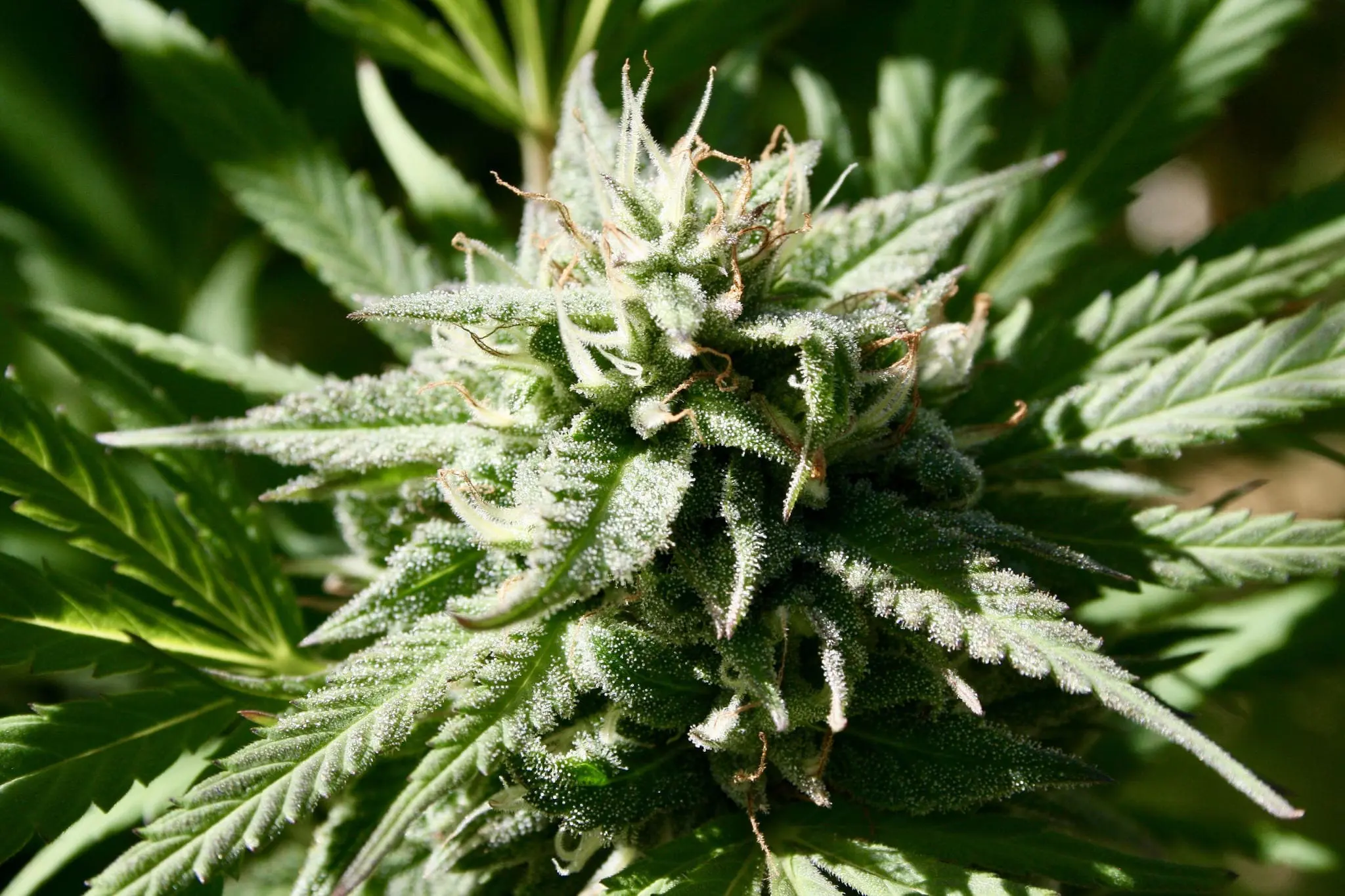
A newly filed ballot initiative in Arizona would repeal of key provisions of the state’s voter-approved marijuana legalization law by eliminating commercial sales, while still permitting possession and personal cultivation.
The “Sensible Marijuana Policy Act for Arizona” is being spearheaded by Sean Noble, president of the political strategy firm American Encore. Paperwork to register the initiative was filed with the secretary of state’s office this month.
This year has seen a series of attempts to roll back adult-use legalization laws, with anti-cannabis activists in Maine recently approved for signature gathering for a similar ballot initiative and a Massachusetts campaign clearing an initial signature threshold for their version that will first put the issue to lawmakers before it potentially heads to the ballot.
The Arizona measure is distinct from those proposals in at least one significant policy area: It would not take away the rights of adults to grow up to six cannabis plants for personal use.
Also, it explicitly preserves components of the law aimed at expunging prior marijuana records.
Like the anti-cannabis proposals in other states, possession would remain lawful if voters chose to enact the initiative—and Arizona’s medical marijuana program would remain intact—but the commercial market for recreational cannabis that’s evolved since voters approved an adult-use legalization measure in 2020 would be quashed.
“For adults that want to consume cannabis, they will be able to do that,” Noble told the Arizona Daily Star.
But the GOP operative—who has worked with Republican legislators on efforts to repeal the Affordable Care Act and played a role opposing a failed attempt to legalize for adult use in 2016—said declining revenue and advertising rules he perceives as insufficient to deterring youth use puts the campaign at an advantage among voters.
A findings section on the latest initiative states that “the proliferation of marijuana establishments and recreational marijuana sales in this state have produced unintended consequences and negative effects relating to the public health, safety, and welfare of Arizonans, including increased marijuana use among children, environmental concerns, increased demands for water resources, public nuisances, market instability, and illicit market activities.”
“Arizona’s legal marijuana sales have declined for two consecutive years, resulting in less tax revenue for this state, while some patients have relied on recreational use of marijuana instead of utilizing the benefits of this state’s medical marijuana program,” it says.
“Sensible marijuana policy in this state requires a partial repeal of the Smart and Safe Act and authorization of the Arizona Legislature to make conforming changes to other Arizona laws, including those that relate to advertising requirements and taxation of marijuana and marijuana products, to effectuate the stated purposes and provisions of this Act.”
The initiative would also instruct the legislature to make conforming changes by amending existing statute as it relates to the commercial industry, including tax and advertising rules.
In order to make the ballot, the campaign will need to collect 255,949 valid signatures by July 2. If the proposal goes to voters and is approved, it would take effect in January 2028.
—
Marijuana Moment is tracking hundreds of cannabis, psychedelics and drug policy bills in state legislatures and Congress this year. Patreon supporters pledging at least $25/month get access to our interactive maps, charts and hearing calendar so they don’t miss any developments.
Learn more about our marijuana bill tracker and become a supporter on Patreon to get access.
—
It remains to be seen if there will be an appetite for repeal among voters, as 60 percent of the electorate approved legalization at the ballot in 2020.
What’s more a poll from last year found majority support for medical cannabis legalization (86 percent), adult-use legalization (69 percent) and banking reform (78 percent).
Photo courtesy of Brian Shamblen.